The New Era of Modern Online Shopping: Redefining Retail


In modern times, shopping on the web has moved beyond as being a convenient option to brick-and-mortar stores to becoming the most well-liked method of shopping for millions worldwide. The rapid continuing development of technology, as well as changing consumer behaviors, has dramatically reshaped the retail landscape. This article delves into the key facets of go to my site, its benefits, challenges, and also the trends driving its evolution.
The Growth of Online Shopping
Online shopping is growing exponentially during the last two decades. What started being a modest extension of physical retail has now turn into a multi-trillion-dollar global industry. Several factors have contributed to this growth, including increased internet accessibility, the proliferation of smartphones, as well as the development of secure online payment systems.
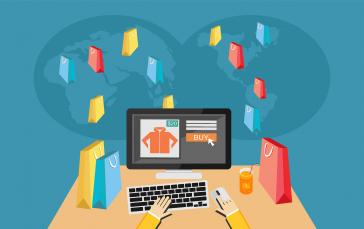
In the post-pandemic world, the shift to shopping online has accelerated a little more forward. Consumers, driven through the need for safety and convenience, have increasingly ventured into e-commerce platforms for everything from groceries to luxury goods. This shift is not only just temporary—shopping on the web habits formed during the pandemic are likely to persist, making e-commerce a cornerstone from the modern retail experience.
Key Features of Modern Online Shopping
Convenience and Accessibility: The most significant advantage of online shopping is the capacity to shop from anywhere at any time. Consumers no longer need to visit physical stores, which can be especially beneficial in today’s fast-paced world. Online platforms are accessible 24/7, allowing shoppers to generate purchases at their convenience.
Personalization: Modern shopping online is highly personalized. E-commerce platforms use data analytics and artificial intelligence to tailor the shopping experience to individual users. This personalization includes product recommendations, targeted promotions, and customized listings based on browsing history and preferences.
Variety and Choice: Online shopping provides a virtually limitless choice of products. From global brands to niche markets, consumers will get exactly what they’re trying to find, often with more options in comparison to physical stores. This variety reaches pricing as well, with easy accessibility to comparisons and deals.
User Experience: E-commerce websites and apps are created with the user planned, offering intuitive navigation, fast loading times, and detailed product information. Features for example customer reviews, high-quality images, and videos provide a rich shopping experience which enables consumers make informed decisions.
Secure Payment and Easy Returns: Modern shopping on the web platforms are suffering from robust payment systems that make sure the security of transactions. Additionally, many retailers offer flexible return policies, making it easier for consumers to shop with full confidence.
The Impact on Retailers
The rise of internet shopping has had profound implications for retailers. Businesses must now compete in the global marketplace, where online presence is essential. This has led to significant investments in e-commerce platforms, digital marketing, and logistics.
Retailers may also be increasingly adopting omnichannel strategies, integrating their web offline operations to give you a seamless customer experience. For example, many stores offer “buy online, grab in-store” (BOPIS) options, combining the particular of shopping online with the immediacy of in-store pickup.
Moreover, data-driven insights from internet shopping behaviors enable retailers to refine their inventory management, optimize pricing strategies, and improve customer engagement. The power to track consumer preferences and trends in real-time can be a powerful tool which enables businesses stay competitive.
Challenges of Modern Online Shopping
Privacy and Security Concerns: As internet shopping grows, so do concerns about data privacy and cybersecurity. Consumers are increasingly aware from the risks related to sharing information that is personal online, and retailers need to make sure that their platforms are secure and transparent about data usage.
Logistics and Delivery Issues: While shopping on the web offers convenience, in addition, it brings challenges in connection with shipping and delivery. Delays, high shipping costs, and logistical complications could affect customer satisfaction. Retailers must continually improve their supply chain and logistics operations to satisfy consumer expectations.
Environmental Impact: The environmental impact of internet shopping, particularly intended for packaging waste and carbon emissions from delivery services, can be a growing concern. Consumers and retailers alike start to prioritize sustainability, bringing about innovations in eco-friendly packaging and carbon-neutral delivery options.
Maintaining Customer Loyalty: The ease of comparing prices and switching between brands online signifies that customer loyalty is harder to keep. Retailers must continue to work hard to build strong relationships with their customers, using personalized marketing, loyalty programs, and exceptional customer satisfaction to keep them engaged.
Future Trends in Online Shopping
Voice and Visual Search: The future of shopping on the web will likely include voice and visual search technologies. Consumers should be able to search for products by talking to their devices or by uploading images, making the shopping experience even more intuitive and interactive.
Augmented Reality (AR) and Virtual Reality (VR): AR and VR will revolutionize the online shopping experience. These technologies allow consumers to visualize products in their own individual space or try on virtual clothing, bridging the gap between online and physical shopping.
Social Commerce: The integration of e-commerce with social media marketing platforms is really a growing trend. Social commerce allows users to buy directly from their favorite social websites apps, blending entertainment with shopping and making the procedure more seamless and engaging.
Sustainability and Ethical Shopping: As consumers be conscious of their environmental footprint, online retailers are increasingly offering sustainable and ethically sourced products. Transparency about sourcing, production practices, and carbon offsetting can be essential top features of e-commerce platforms.
AI-Powered Shopping Assistants: Artificial intelligence can play a greater role in personalizing the internet shopping experience. AI-powered shopping assistants will help consumers find products faster, suggest items depending on past purchases, and also handle customer service inquiries.
Modern online shopping has transformed the retail industry, offering consumers unparalleled convenience, choice, and personalization. While challenges remain, the continued evolution of technology promises to make the internet shopping experience even more dynamic and engaging. As we move in the future, retailers that could adapt to these changes and embrace innovation will thrive on this new era of retail.